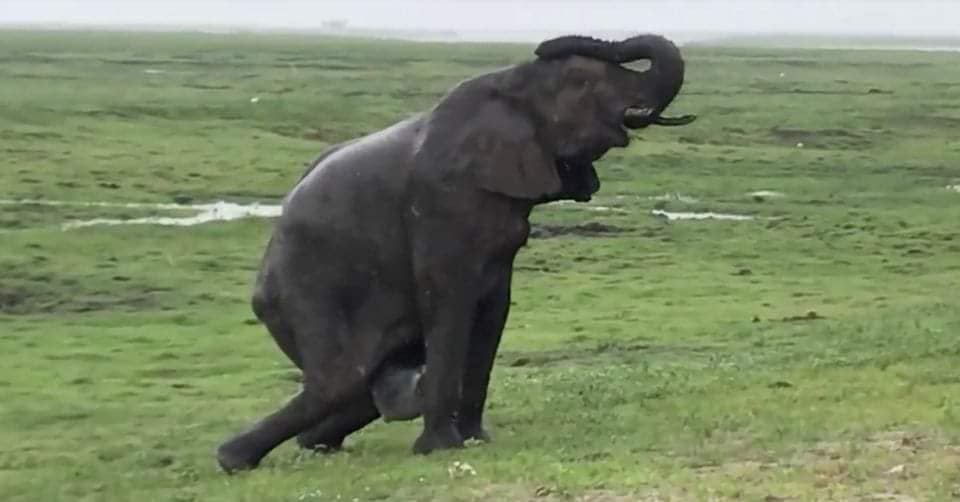
A miracle twin elephant birth in Amboseli National Park has breathed new life into conservation efforts and captured the hearts of wildlife enthusiasts around the world.
Peru, a nearly 40-year-old African elephant approaching her senior years, had long been attempting to conceive again, hoping to strengthen the fragile local population. In the wild, elephants of her age face increased risks during pregnancy, making any successful birth remarkable. Conservationists working in the park, led by veteran field expert Kenneth Ole Nashu, had been carefully monitoring her movements and health for months.
When early signs of pregnancy became evident, the team felt both excitement and concern. The elephant population in the park hovered at around 40 individuals — a number vulnerable to disease, poaching, drought, and habitat pressure. Each calf represented hope. Another birth from an experienced matriarch like Peru could significantly strengthen the herd’s future stability.
Yet Peru’s pregnancy unfolded under challenging circumstances. Unlike animals in managed reserves or zoos, elephants in Amboseli roam freely across vast savannah plains. Veterinarians cannot conduct routine ultrasounds or laboratory tests. Instead, rangers rely on behavioral observation — watching feeding habits, walking patterns, and social interactions for subtle clues.
As months passed, troubling signs appeared. Peru showed occasional bleeding and periods of visible fatigue. For an elephant of advanced maternal age, such symptoms could indicate life-threatening complications. The team maintained distance to avoid stressing the herd, but anxiety grew daily.
The situation intensified when Peru was found lying beneath a marula tree, clearly distressed. Elephants rarely lie down for extended periods unless ill or exhausted. Kenneth immediately called for backup. Approaching a vulnerable elephant is dangerous; her herd, fiercely protective, formed a defensive perimeter.
When veterinary specialists finally gained safe access, they worked tirelessly through the night. Fluids were administered, vital signs monitored, and treatments provided to stabilize her condition. While no infectious disease was detected, the exact cause of her distress remained uncertain. It was a tense and fragile period for both mother and unborn calf — or so everyone believed.
Determined not to miss any critical development, Kenneth camped in his jeep nearby for several nights. His commitment reflected the broader dedication of conservation teams who often spend weeks in the field under harsh conditions to protect wildlife.
Then, one unforgettable night, Peru went into labor.
What initially appeared to be a routine — albeit risky — delivery quickly turned into something extraordinary. After the first calf emerged, healthy and strong, the team noticed continued labor contractions. Moments later, a second calf appeared.
Twins.
Twin births among African elephants are exceptionally rare in the wild, occurring in only a small fraction of pregnancies. The conservation team was stunned. The savannah, quiet under the night sky, had just witnessed a miracle.
But celebration quickly gave way to concern. One of the newborn calves bore a noticeable wound, likely sustained during delivery or from shifting ground beneath the herd’s protective movements. Once again, the veterinary team moved swiftly. They cleaned the injury, applied treatment, and monitored the calf closely over the following days.
The injured twin’s recovery was gradual but steady. With careful oversight and the nurturing presence of Peru and the herd’s experienced females, both calves began to thrive. Watching them wobble beside their mother across the plains became a symbol of resilience.
The birth of Peru’s twins has revitalized conservation optimism in Amboseli. Beyond increasing population numbers, the event highlights the importance of long-term monitoring, habitat protection, and collaborative fieldwork. For Kenneth Ole Nashu and his young protégé Aziz, the twins represent more than scientific success — they embody hope for the future of Africa’s iconic elephants.
In a world where wildlife often faces bleak headlines, the story of Peru and her twins stands as a testament to perseverance, teamwork, and the enduring power of nature.